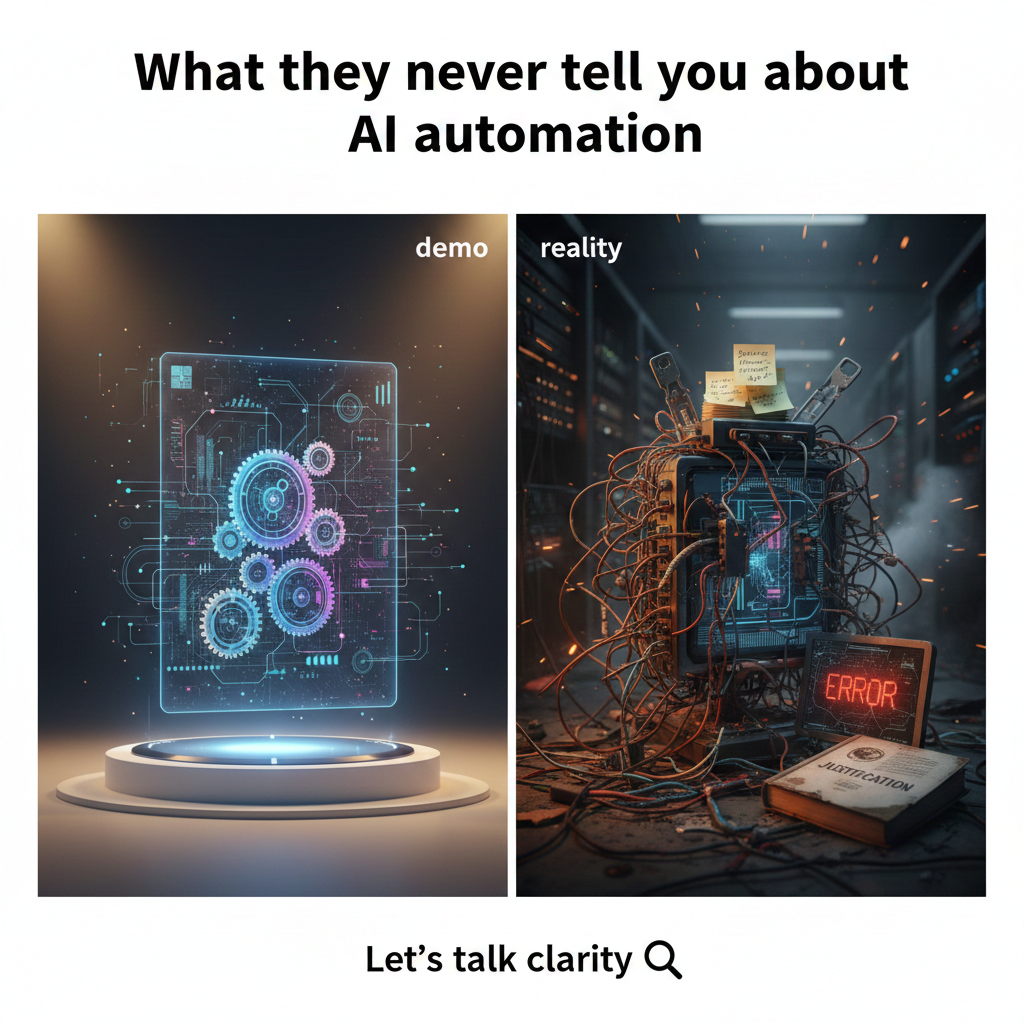
AI is a fix for your operational leakage
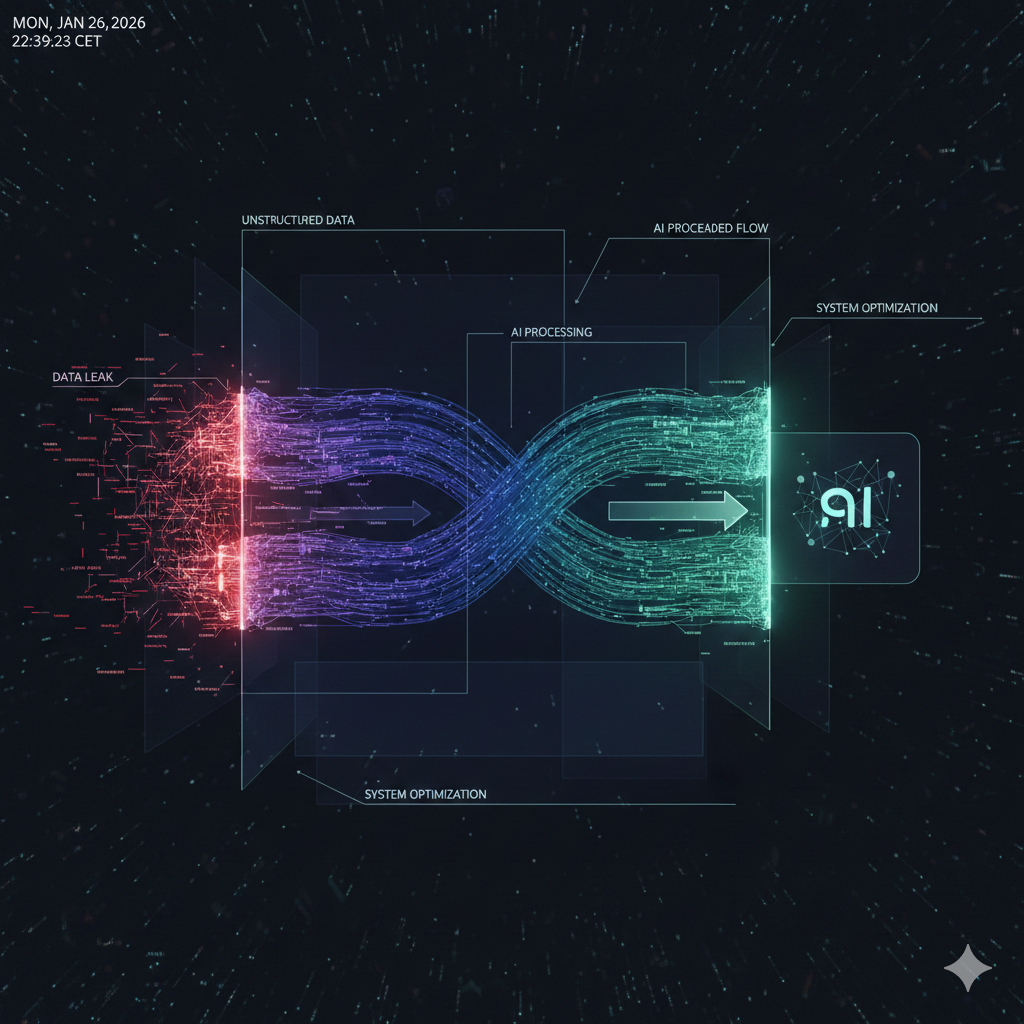
Over the last month, I’ve architected 10+ AI automation systems. While the tech stacks vary, the underlying pain is always the same: The Human Factor is clogging the scale
Sales funnels, logistics, accounting — it doesn't matter the niche. If your growth depends on a manager not "forgetting" to reply or "missing" a lead, you don't have a business; you have a ticking time bomb
The Reality Check: Most businesses come to me saying: "We need an AI bot." What they actually mean is: "We are losing money because our processes rely on manual attention where it shouldn't"
Example from the field: Imagine an e-commerce store or a service clinic. Your team can't (and shouldn't) be online 24/7. But your customers are
In 2026, "efficiency" is no longer about working harder. It’s about removing duplication and clarifying intent through automation
With 8 years in systems architecture, I’ve seen that the biggest bottleneck isn't the "deal" itself — it's the friction between the customer's question and your answer
Stop guessing. Start Automating. If your operational strings are feeling too tight, let’s talk. I don’t just build bots; I stabilize systems